


Cutting diesel at mining camps, one exhaust fan at a time
At a remote camp, the electricity for the kitchen fans comes from diesel generators. Slowing those fans when the cooking stops is one of the simpler ways to burn less fuel.
DCKV team
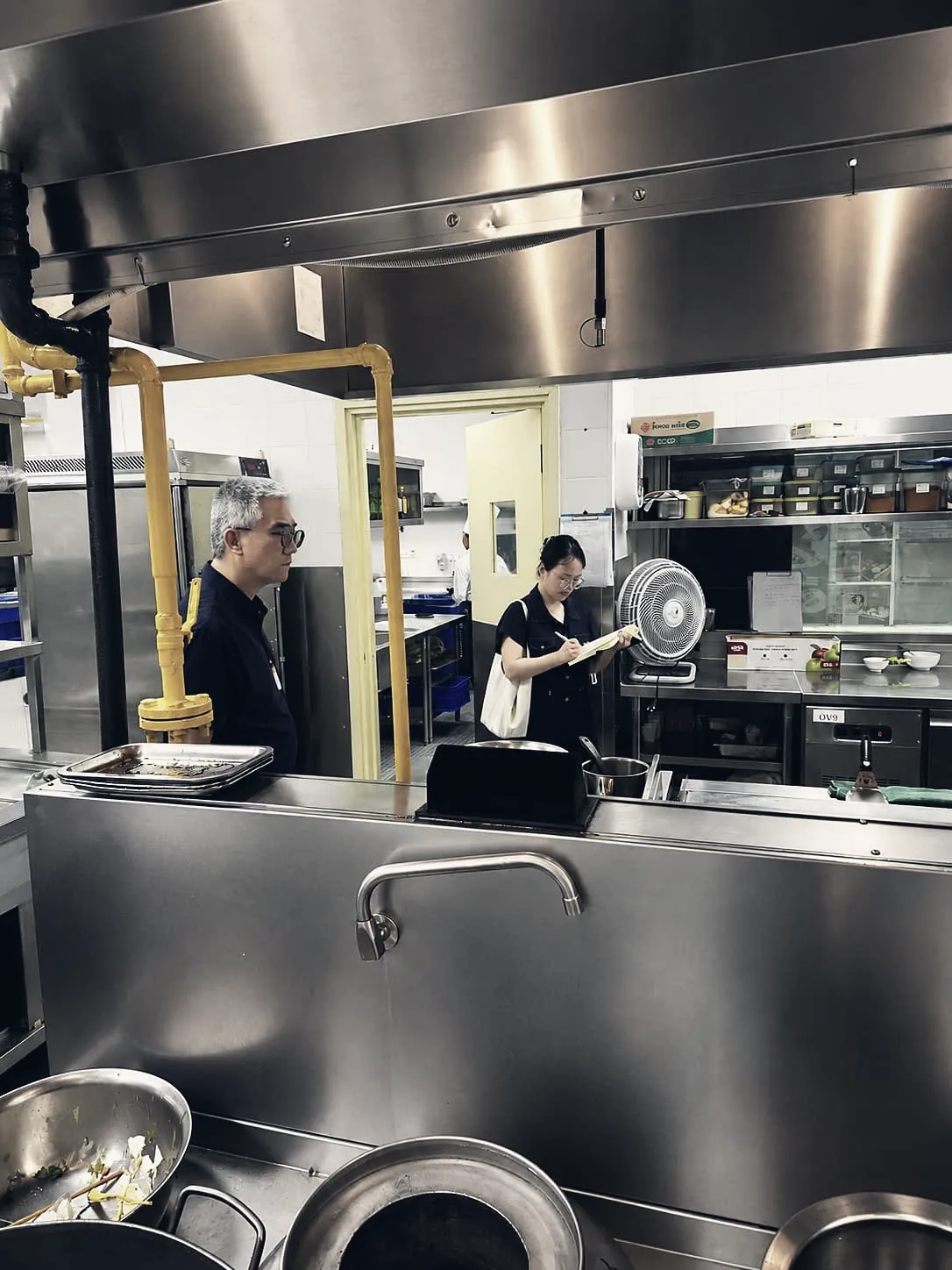
Mining camp kitchens rarely close. Shift work means breakfast before dawn and dinner late into the night, with packed lunches made up in between, and the ventilation usually runs at a fixed speed the whole time. The electricity behind it comes from diesel generators.
The diesel arithmetic
A diesel generator burns roughly 0.27 litres of fuel for every kilowatt-hour it produces at a typical load. Your fuel logs will give the real figure for your site, but it's a fair place to start.
Take a camp kitchen with 11 kW of exhaust and make-up air fans running 20 hours a day:
| Fan power, exhaust and make-up air | 11 kW |
|---|---|
| Running time | 20 h a day |
| Ventilation energy | 220 kWh a day |
| Saving at about 50% | 110 kWh a day |
| Diesel not burned | ≈ 30 L a day |
| Over a year | ≈ 10,800 L |
| CO₂ avoided, at 2.68 kg per litre | ≈ 29 t a year |
The 50% is the representative exhaust fan saving across our completed installations. Every other input is an assumption, so put in your own fan ratings and hours.
Fuel is only part of the cost. Diesel at a remote site has to be bought, trucked in, stored and accounted for, so the delivered cost per litre is well above the pump price.
Why camp kitchens suit demand control
Ventilation is sized for the busiest meal service, and the busiest service is a small part of a 24-hour day. Between services the line is mostly prep, cleaning and a few pans on standby, and that's when the fans can slow down. Fan power falls with roughly the cube of speed, so a fan at 80% speed draws about half its full power, and modest slowdowns add up over 20 hours. What is DCKV explains the cube law in more detail.
Things to check on a remote site
Generator loading
A generator uses more fuel per kilowatt-hour when it runs lightly loaded, and very light loading causes its own maintenance problems. On a site with several sets and load management, the saving shows up cleanly as less fuel. On a site with one small generator, talk to whoever runs the power station before you count the litres.
Dust and heat
Sensors in the hood need to be clean to read properly. Put them on the same cleaning schedule as the filters, and clean them more often if the site is dusty.
Remote visibility
Getting an engineer to a remote site is expensive. DCKV logs every drive every five minutes and sends the data over MQTT, so fan speeds, energy use and alarms can be checked from the office.
When something fails
If anything goes wrong with the controls, a bypass puts the fans back to full speed, so a controls fault doesn't leave the kitchen without extraction.
More from the blog
- What is demand-controlled kitchen ventilation, and why are hotels switching?Most hotel kitchen exhaust fans run at full speed from the first prep shift to the last clean-down, whatever is on the stove. Demand control slows them down when the cooking eases off, and the electricity bill follows.
- Zero-CAPEX energy upgrades: how shared-savings contracts workPlenty of energy projects with a short payback still stall in the capital budget. A shared-savings contract pays for the system out of the electricity it saves, so the upgrade doesn't have to wait for capital.
- Five-minute data: how we verify every kilowatt-hour savedDCKV meters every fan it controls every five minutes and compares the readings with a baseline agreed before installation. The monthly saving comes from those readings.