Conventional
Constant speed, all service
kWhCL-1 · 230/400 V
- Fan speed
- 100%
- Power now
- 18.5 kW
- Cost so far
- —
- CO₂
- 0 kg



 Book a site audit
Demand-Controlled Kitchen Ventilation
Most commercial kitchen exhausts run flat-out from open to close. DCKV reads heat and smoke at every hood and slows your exhaust and make-up air fans the moment the cooking eases off.
DCKV
The same capture and the same comfort, using a fraction of the fan energy. DCKV fits new builds or retrofits onto the hoods you already have, and the savings are verified every five minutes.
How it works
DCKV adds sensors, a controller and variable-frequency drives to the hood and fans you already own. The cooking line doesn't change, and your chefs won't notice anything except the quiet.
An optical beam across the hood collar measures smoke and grease vapour. Temperature probes track heat in the exhaust stream. Together they read the cooking load as it happens, not on a timer.
Smoke & grease · Exhaust temperature · Per hood
A dedicated controller reads every sensor continuously and sets the airflow each hood needs. It ramps to full the instant a wok fires and eases back when the burners idle.
Continuous · Per-hood logic · Automatic
VFDs slow the exhaust and make-up air fans together, so the kitchen stays balanced. Fan power falls with the cube of speed: run 20% slower and you use roughly half the power.
Exhaust + make-up air · Balanced pressure
Each drive reports its power over Modbus. Readings are logged every five minutes and sent to the cloud over MQTT, so the savings are measured rather than estimated.
Modbus · MQTT · 5-minute logs
The meter doesn't lie
This is one simulated day of service. On the left, the fans run at 100% whenever the kitchen is open. On the right, DCKV follows the cooking.
Constant speed, all service
Speed follows the cooking
Illustrative simulation: two hoods, 18.5 kW of combined exhaust and make-up air fans, fan power modelled with the affinity laws. A site audit measures your real numbers.
Estimate
Answer three questions and you'll get a first-pass figure. A site audit turns it into a number you can sign off on.
Zero CAPEX
Energy upgrades often stall on capital approval. Our shared-savings model removes that step: the system pays for itself from day one, out of savings we both measure.
$0 upfront
We design, install, maintain and monitor the system. You share the verified savings for the contract term, and after that they're entirely yours.
1–3 yr payback
You own the system from day one and keep every kilowatt-hour you save. Monitoring and reporting are available as a service.
Measurement & verification
Savings you can't prove aren't savings. Every DCKV installation meters the fans it controls and compares them against a measured baseline, and the comparison runs for the life of the system.
Sample dashboard with illustrative data.
Where it pays
≈ 270 L of diesel not burned for every 1,000 kWh saved*
*Typical generator consumption of about 0.27 L/kWh. Your fuel logs give the real figure.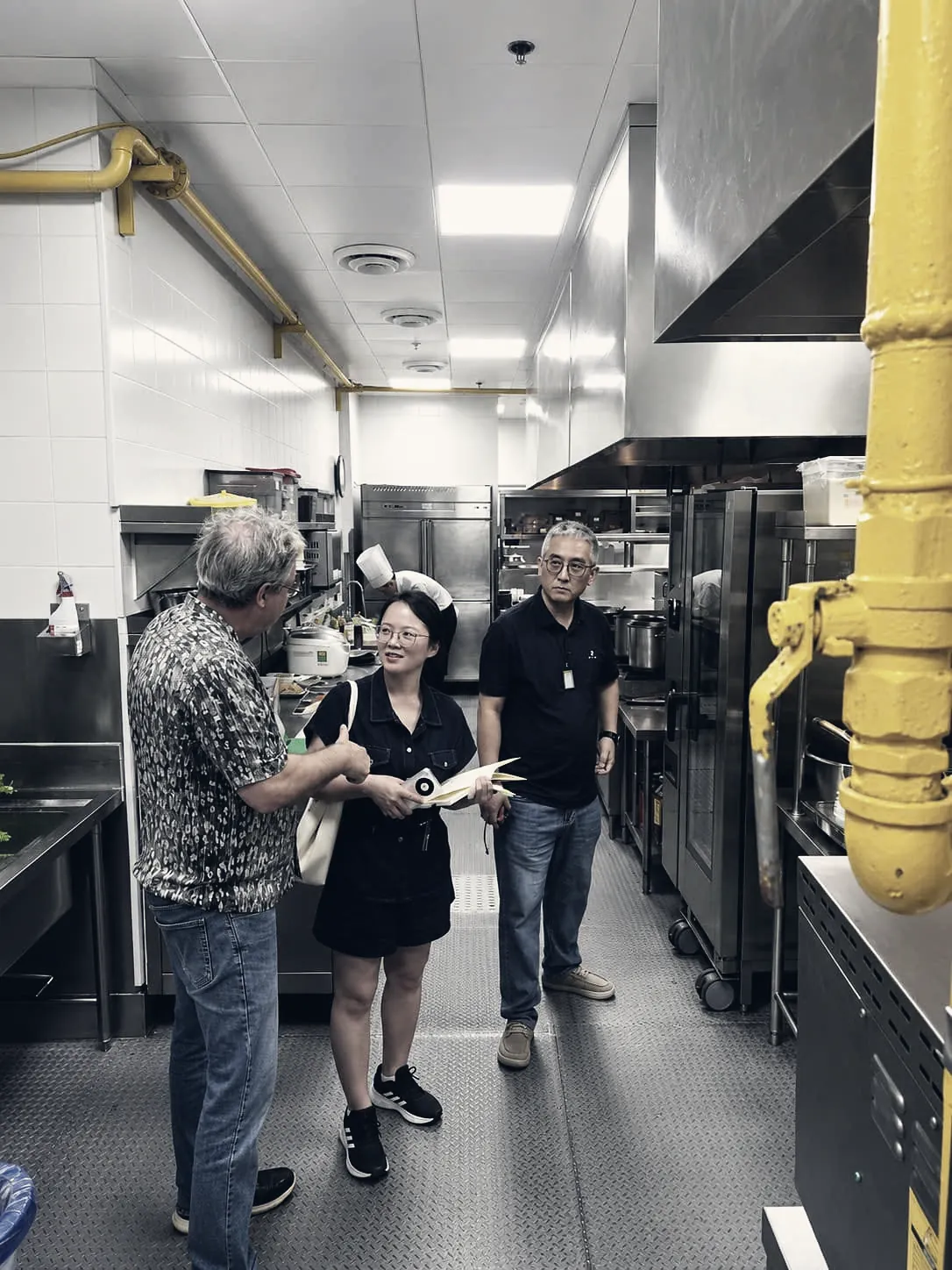
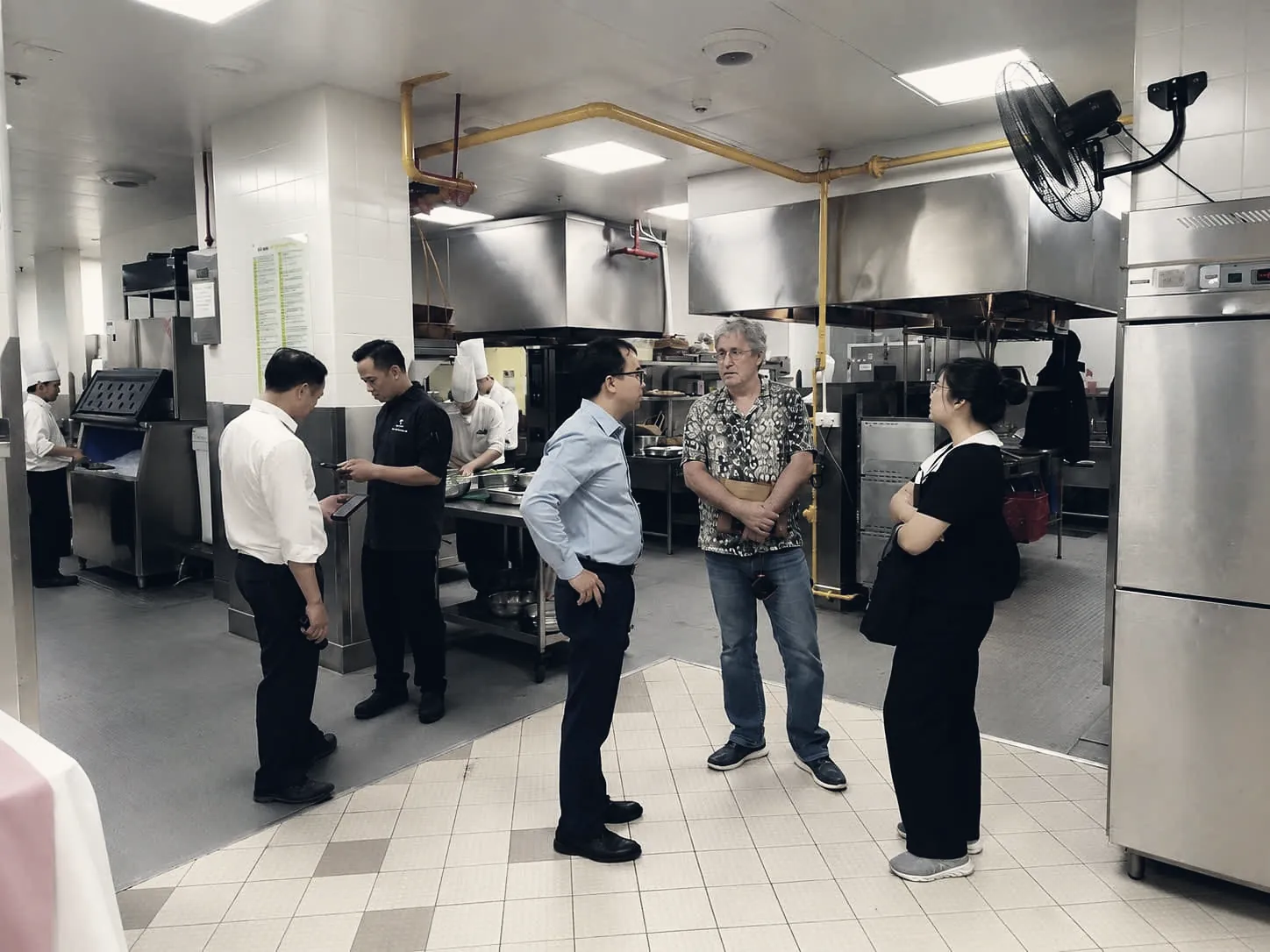
All-day dining, banquets and staff canteens mean several kitchens per property, each with its own rhythm. DCKV runs every hood to its own load, so a quiet canteen never pays for a busy ballroom.
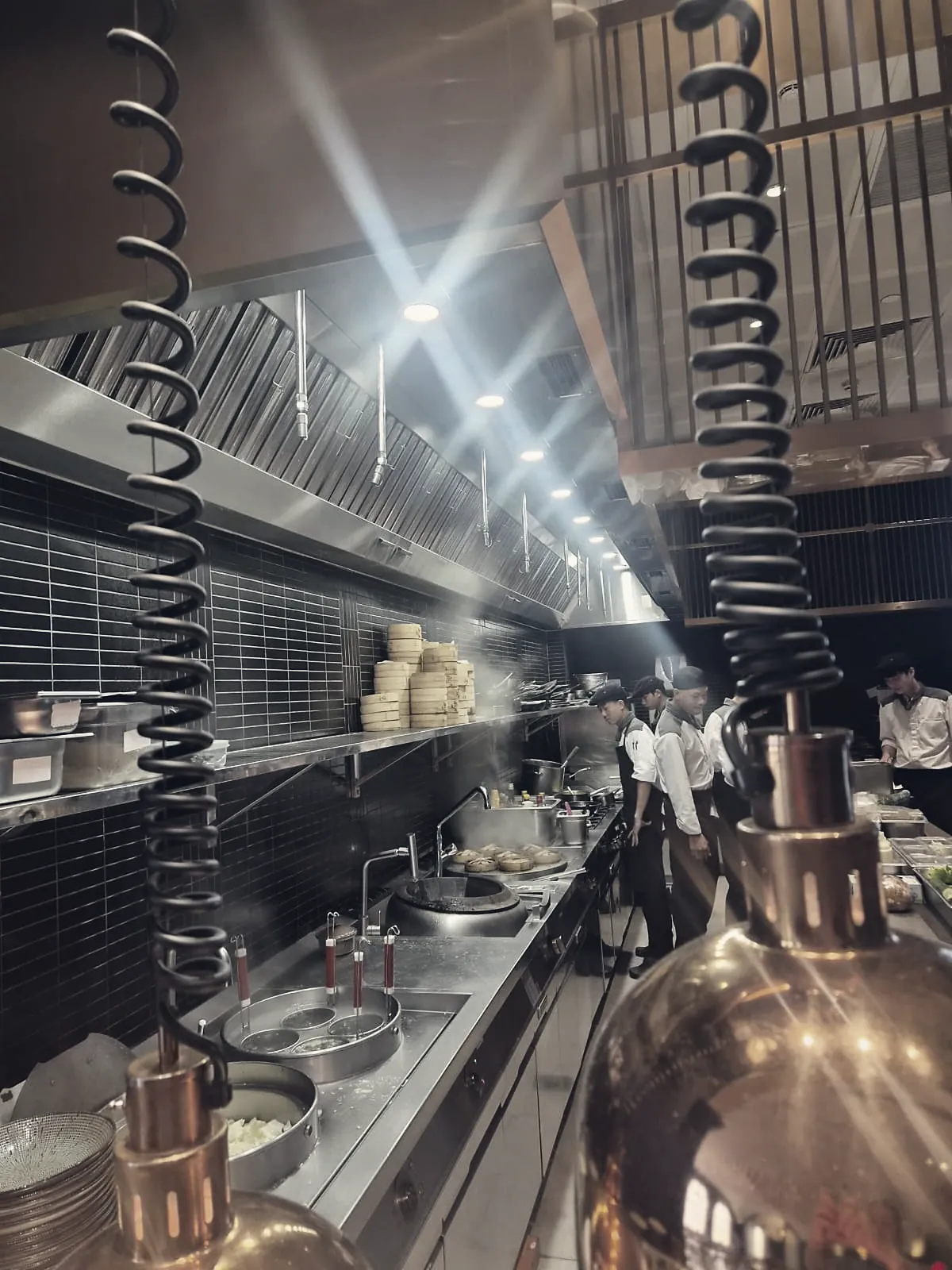
Two sharp peaks a day with long idle stretches in between: that's the ideal DCKV profile. Fans idle down between services and ramp up in seconds when the first ticket fires.
Kitchens at FIFO and accommodation camps run around the clock on generator power. Every kilowatt-hour you don't use is fuel you don't truck in, store or burn.
Long production runs across many hoods, with load that shifts from station to station. Per-hood control puts the extraction exactly where the cooking is.
How a project runs
No brochure maths. We survey the site, meter what you use today, and only then put a number on the table.
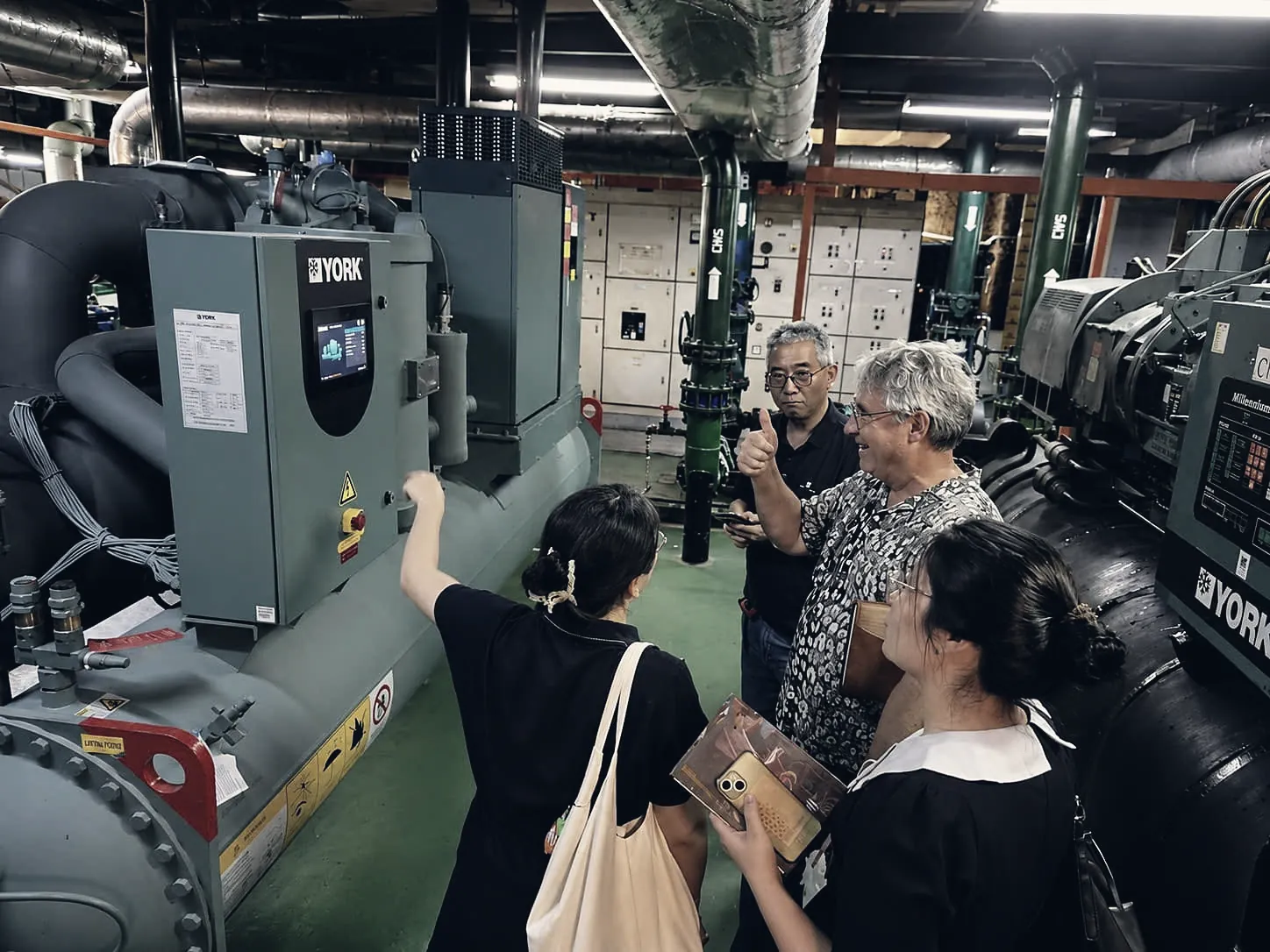
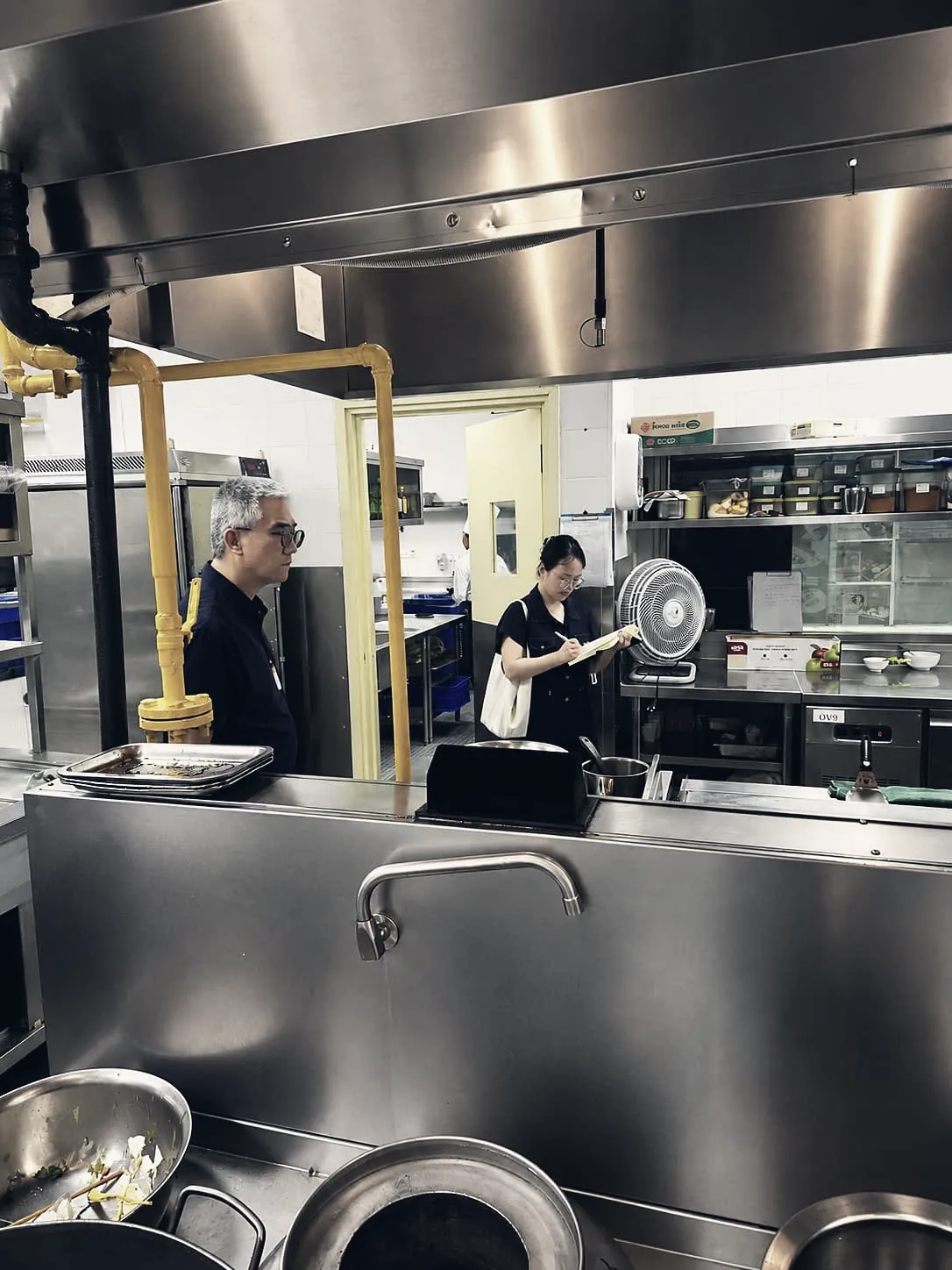
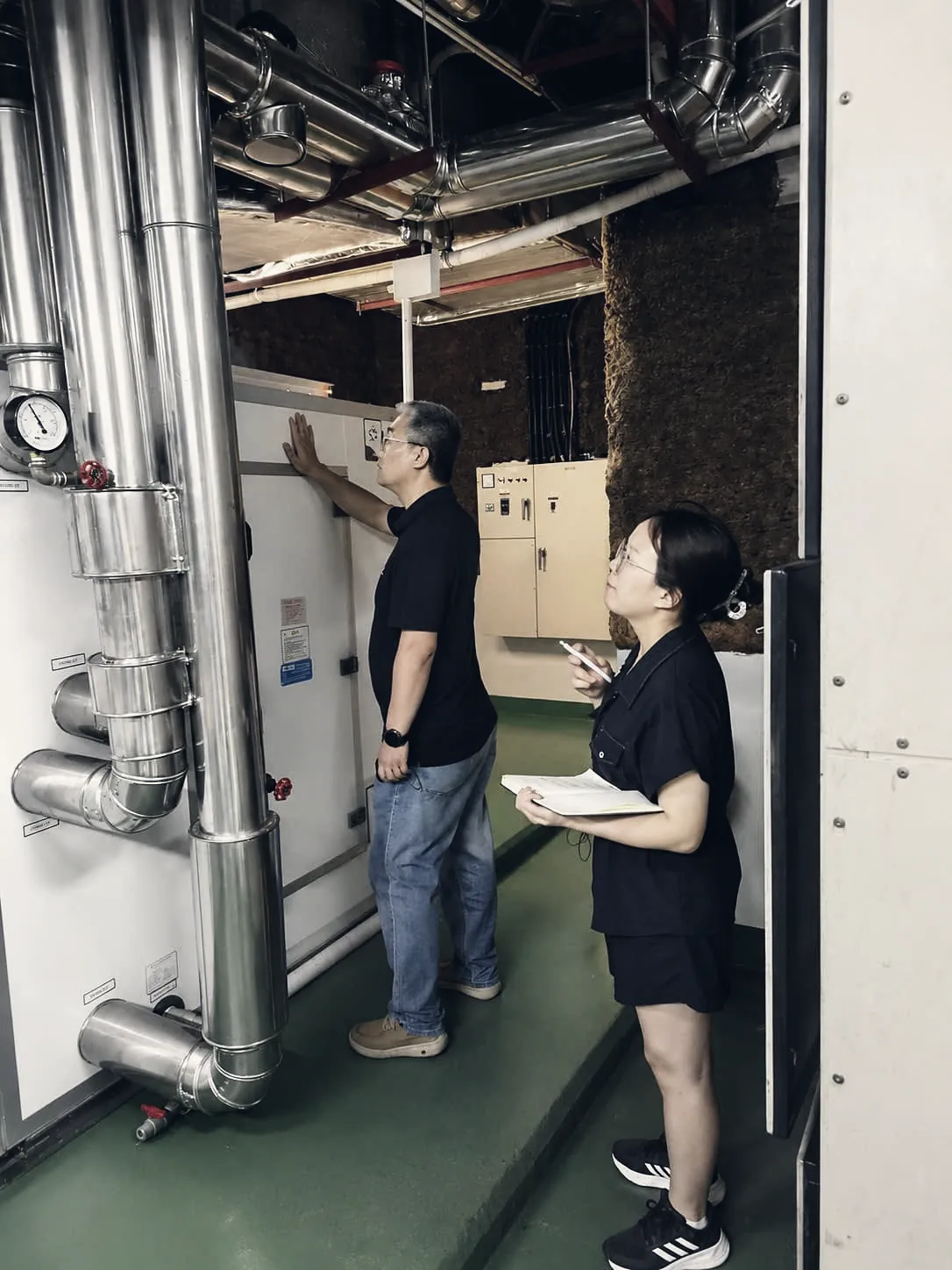
We map hoods, fans, drives and plant rooms, and how each kitchen actually runs.
We meter your existing fans to establish what they consume today.
Sensors, controller and drives are fitted around your service hours.
You get five-minute data and monthly savings reports for the life of the contract.
Insights
Questions
DCKV adjusts the speed of kitchen exhaust and make-up air fans to match the actual cooking load, measured by sensors in the hood. Conventional systems run at a fixed full speed whenever the kitchen is open.
No. The controller ramps the fans to full the moment the sensors detect smoke or heat, so capture is maintained during cooking. Speed comes down only when the load drops.
In most kitchens, yes. We reuse your hoods, ducts and fans, add sensors and a controller, and fit variable-frequency drives where they aren't already installed.
Each drive's power is metered and logged every five minutes, then compared against a measured baseline of your fans at constant speed. You receive automated monthly reports.
With shared savings, nothing upfront: the system is paid from verified savings. If you'd rather purchase it, typical payback is one to three years.