


Zero-CAPEX energy upgrades: how shared-savings contracts work
Plenty of energy projects with a short payback still stall in the capital budget. A shared-savings contract pays for the system out of the electricity it saves, so the upgrade doesn't have to wait for capital.
DCKV team
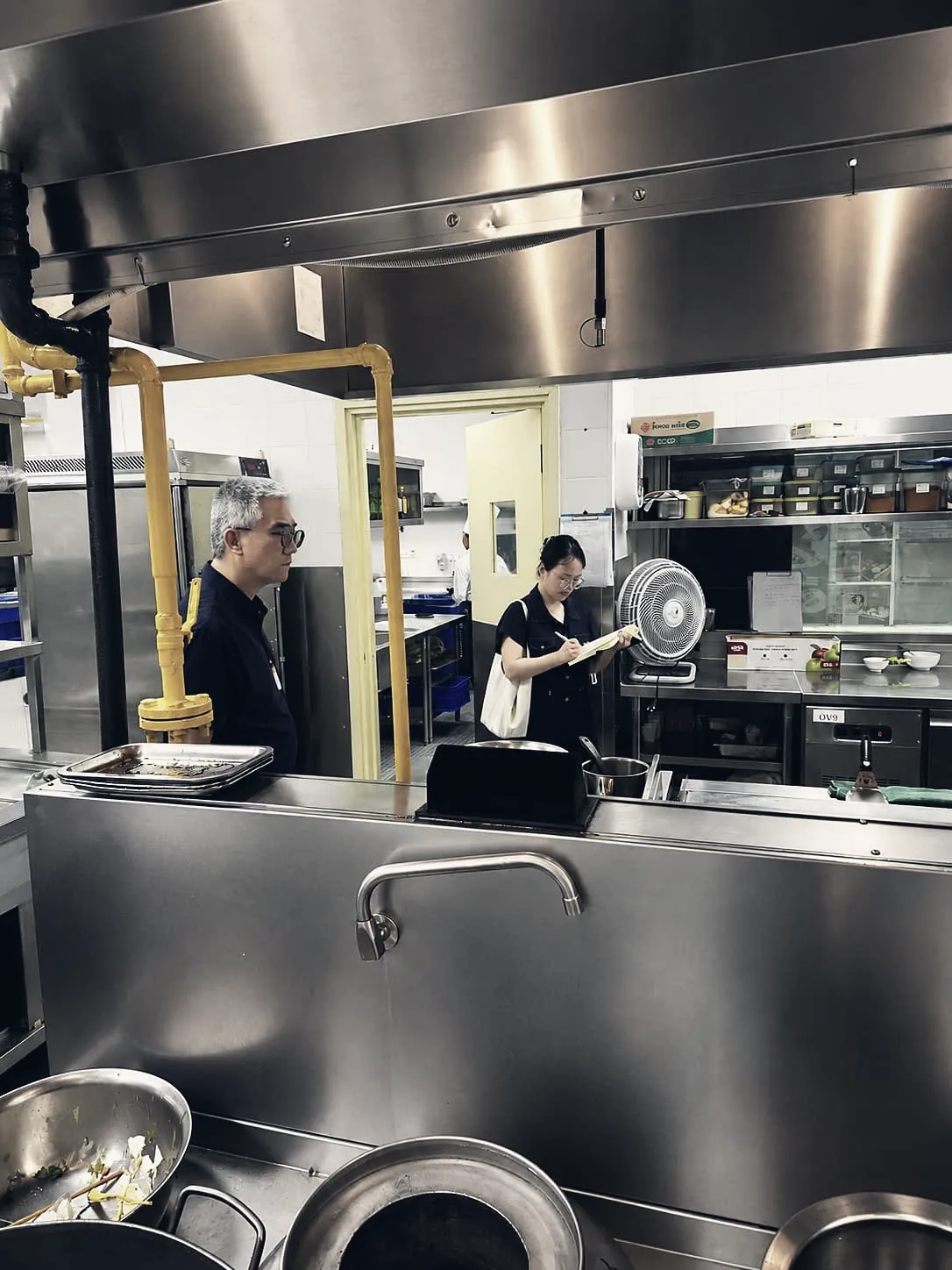
Kitchen ventilation upgrades tend to stall in the same place. The engineering case is sound and the payback is short, but the project goes into the capital request alongside lift refurbishments and chiller replacements, and it waits for next year's budget.
A shared-savings contract takes capital out of the decision. DCKV pays for the system and is paid back from the savings it produces, measured on your own fans.
How it works, step by step
- Survey and baseline. We survey the kitchen and meter the existing fans to establish what they use now. Both sides agree this baseline before anything is installed.
- Install at our cost. DCKV designs the system, supplies the sensors, controller and drives, and installs them around your service hours. You pay nothing upfront.
- Measure. Every drive is metered and logged every five minutes for the length of the contract, and the savings are calculated against the agreed baseline.
- Share. For the contract term, the verified savings are split between you and DCKV. Your share starts with the first month, so the electricity bill comes down from the start.
- Keep. When the term ends, the whole saving is yours.
Maintenance and monitoring are included for the term.
What to settle in the contract
A shared-savings deal works when both sides trust the number, so most of the contract is about how that number is produced.
How the baseline is set and adjusted
The baseline is what your fans would have used without DCKV. It's measured before installation, and the contract should also say how it changes when the kitchen changes: longer opening hours, a new outlet, a refurbishment. Without that clause, either side can gain or lose from changes that have nothing to do with the system.
The split and the term
Both are set per project, sized so the system is paid for within the term. A shorter term means a larger share each month, and a longer term means a smaller share for longer. Ask to see the arithmetic.
Who maintains what
The contract should name who looks after the sensors, drives and controller during the term, and what stays with the kitchen team, such as filter and duct cleaning.
What happens when the property changes
Hotels close floors for renovation, change operators and get sold. The contract should cover a temporary closure, an early exit, and what happens to the equipment and the agreement if the property changes hands.
How the savings are verified
The international reference is IPMVP, the International Performance Measurement and Verification Protocol. Fan projects suit its Option B: isolate the equipment that changed and measure it directly, instead of looking for the saving inside the whole building's electricity bill.
For DCKV that means metering each drive. Readings are taken every five minutes, 288 a day, and the monthly statement compares measured consumption with the baseline. You get the same five-minute data we use. Five-minute data goes through the method step by step.
Shared savings or buying outright?
If capital is available, buying the system usually comes out ahead over its life. Typical payback is one to three years, and you keep the whole saving from day one. Monitoring and reporting are available as a service either way.
Shared savings suits sites where capital is tight, where several parties have to approve spending, or where the finance team wants evidence before it commits. It also works as a first step: run one kitchen on shared savings, look at a year of data, then decide how to fund the rest.
How the contract shows up in your accounts depends on its terms and your accounting rules, so bring your finance team in early.
More from the blog
- What is demand-controlled kitchen ventilation, and why are hotels switching?Most hotel kitchen exhaust fans run at full speed from the first prep shift to the last clean-down, whatever is on the stove. Demand control slows them down when the cooking eases off, and the electricity bill follows.
- Cutting diesel at mining camps, one exhaust fan at a timeAt a remote camp, the electricity for the kitchen fans comes from diesel generators. Slowing those fans when the cooking stops is one of the simpler ways to burn less fuel.
- Five-minute data: how we verify every kilowatt-hour savedDCKV meters every fan it controls every five minutes and compares the readings with a baseline agreed before installation. The monthly saving comes from those readings.